.png)
In this article
Willow vs Reed vs Bamboo Fencing: Which Natural Material Fits Your Project?
Natural fencing has taken over gardens, patios and commercial outdoor spaces in recent years. The appeal is easy to understand — warm, organic texture that vinyl and pressure-treated lumber simply cannot replicate. Three materials lead the market: willow, reed and bamboo. From a distance they share a similar earthy look. Up close, they differ sharply in cost, how long they last, how much privacy they give and the design statement each one makes. This guide cuts through the noise so you can pick the right one without second-guessing.
Willow Fencing
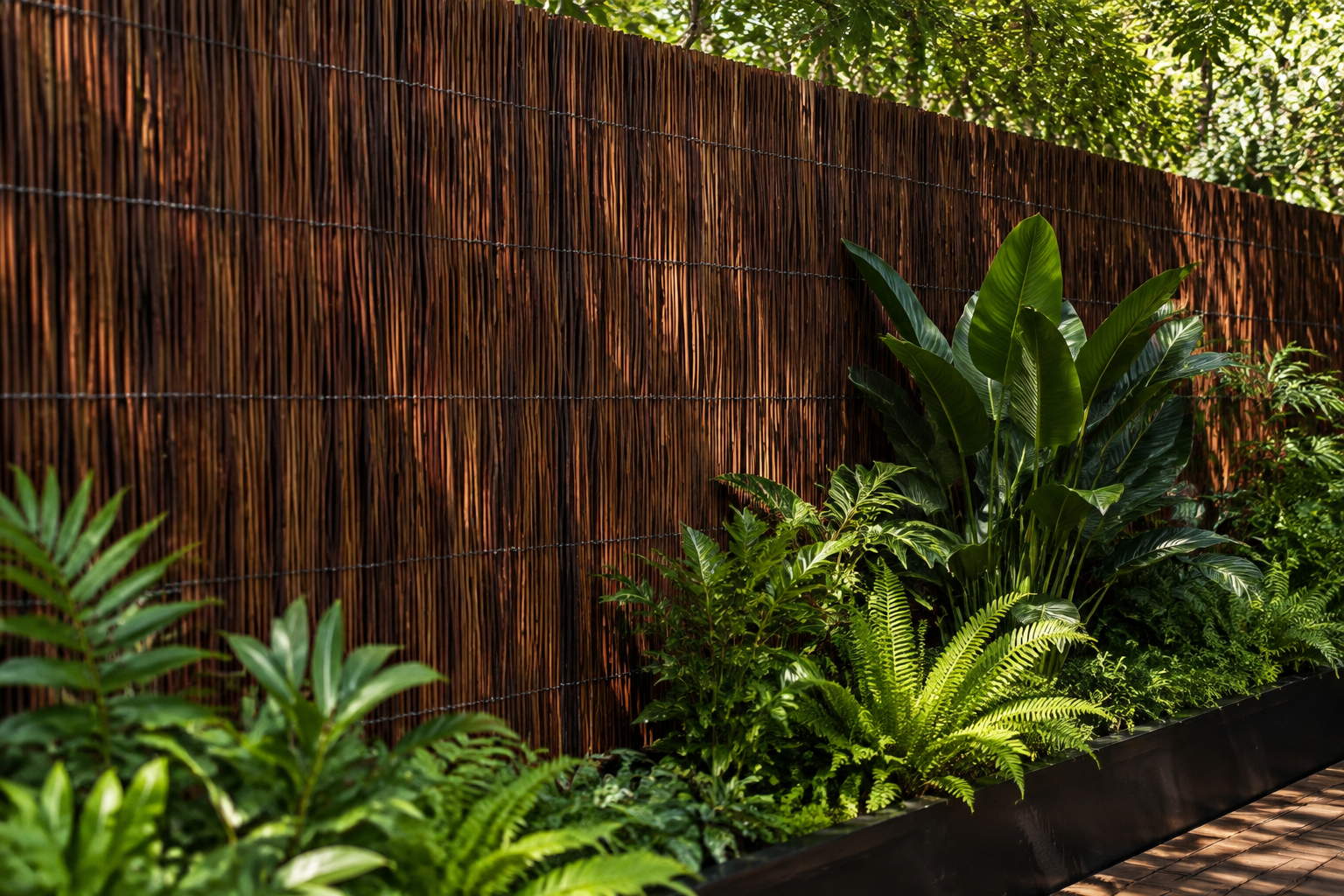
Willow fencing weaves slender tree branches into panels held by galvanized wire. The texture is irregular and handcrafted — no two panels look exactly alike. Gaps between branches let breeze and filtered light through, giving partial privacy without closing the space off. Color starts as warm honey-brown and weathers to silvery gray over a few seasons. Carbonized willow, steamed before sale, holds a more stable tan tone.
In moderate climates, willow lasts five to ten years. An annual check of the wire ties keeps the weave snug and secure. It pairs naturally with climbing plants like clematis and roses, and suits cottage, boho and English country aesthetics. Indoors, willow panels serve as warm accent walls and room dividers. On price, it sits in the mid-range — more than economy options, less than premium bamboo.
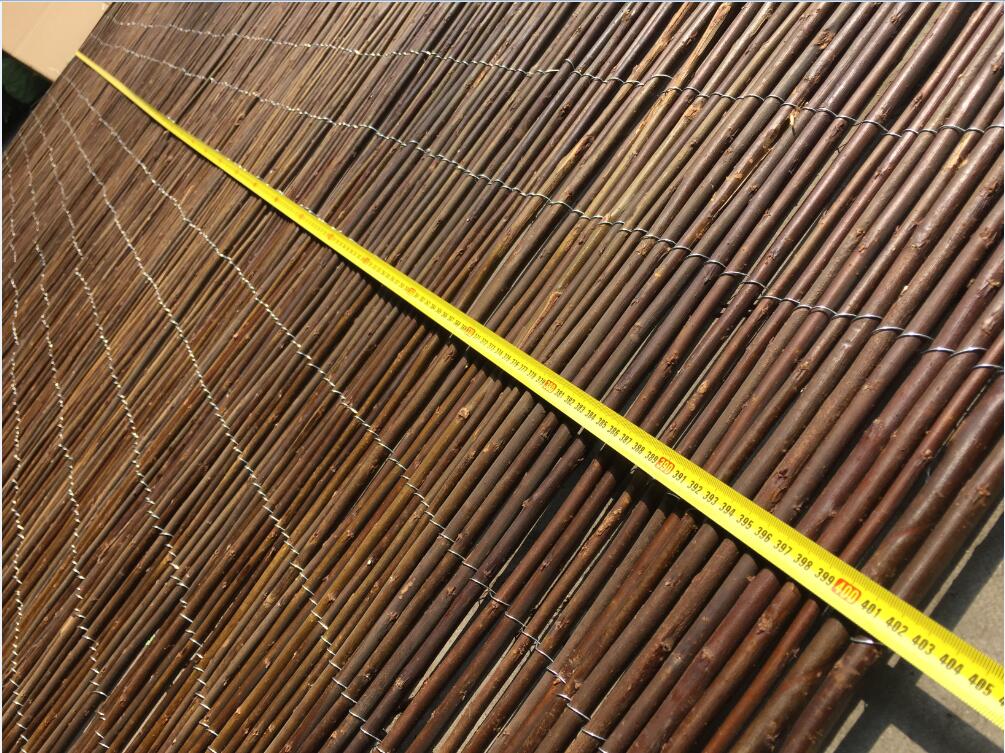
[Image 1: Willow fencing ]
Reed Fencing
Reed fencing binds slender freshwater reeds with coated wire into thin, uniform panels. The stems run nearly identical in diameter, giving reed a cleaner, more orderly surface than willow. Natural reed is warm straw-blonde; a darker coffee-stained variety is also widely available. Both shades are consistent from roll to roll, which matters for larger installations where a patchy look would stand out.
Reed falls in the economy price tier, alongside split bamboo — making both ideal for large perimeters, event backdrops and seasonal installations where budget drives every choice. It lasts three to five years outdoors. Pests show little interest in it. Moisture is its main weakness, so covered patios and indoor applications stretch its life considerably. For temporary projects or quick refreshes, reed delivers maximum coverage at minimum cost.
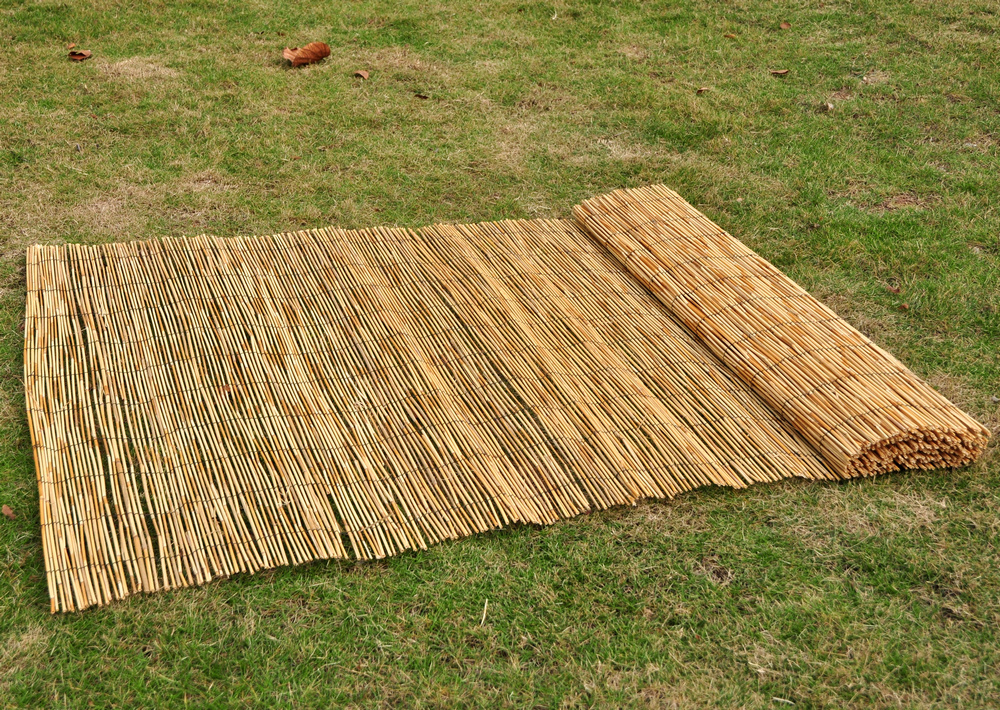
[Image 2:Natural Reed fencing ]
Bamboo Fencing
Bamboo fencing uses whole or split bamboo poles — a material with higher tensile strength than brick or concrete. A well-made bamboo fence can serve twenty years or more outdoors. Color options come in two tones: natural yellow and carbonized, a warm brown achieved through heat treatment during production. "Bamboo fencing" is not one product — and neither is its pricing. Here is how the main types break down:
Bamboo Fence Types at a Glance
|
Type |
Construction |
Privacy Level |
Best For |
|
Split Bamboo |
Poles split, flattened, tightly woven |
Low-moderate — airy, semi-transparent |
Balcony dividers, indoor screens, DIY projects |
|
Punched Bamboo |
Whole poles on galvanized wire |
High — near-solid barrier |
Wind-prone areas, modern landscapes, maximum privacy |
|
Bamboo Screen |
Thin poles, lightweight flexible roll |
Moderate — narrow pole gaps |
Tropical themes, tiki bars, pool enclosures |
Split bamboo woven panels sit at the economy end of bamboo pricing — a strong value pick for buyers who want bamboo's durability without the premium price tag. Punched bamboo rolls with whole poles command a higher price, reflecting the larger-diameter material and the classic bamboo silhouette. Bamboo screens fall between the two. All three types share the same core advantage: natural fiber density that resists pests, weather and rot without chemical treatment. Quality-focused suppliers apply thermal processing that stabilizes internal moisture below 15%, preventing warp, crack and mold before the product ever ships.
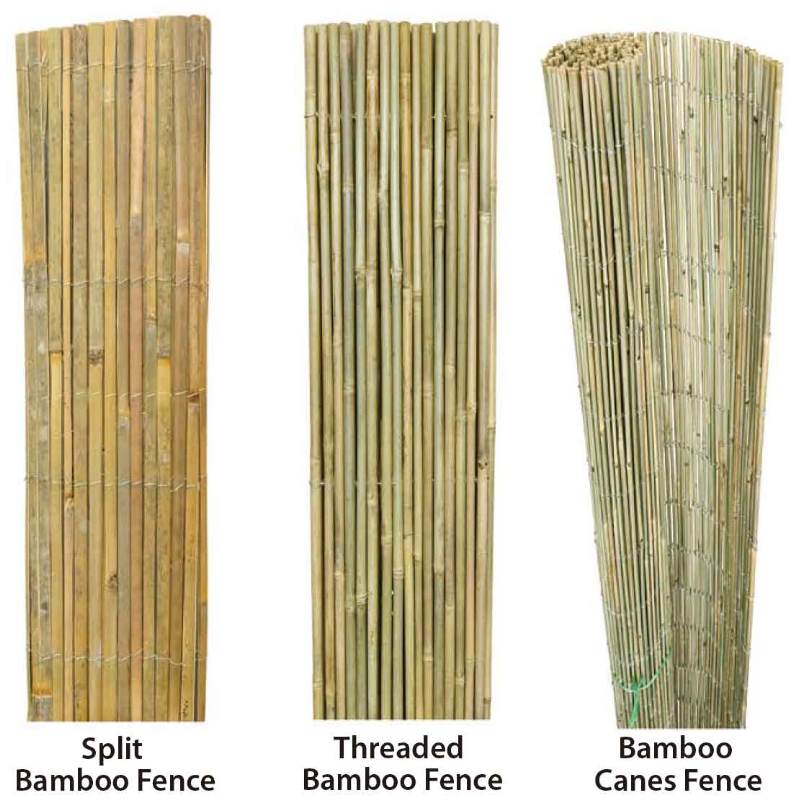
[Image 3: The three bamboo fence types — split woven panel, punched roll and slender screen]
Side-by-Side Comparison
|
|
Willow |
Reed |
Split Bamboo |
Punched Bamboo |
|
Price |
$$ |
$ |
$ |
$$$ |
|
Lifespan (outdoor) |
5–10 years |
3–5 years |
10+ years |
10+ years |
|
Privacy level |
Moderate |
Moderate |
High |
Moderate |
|
Visual style |
Rustic, handmade |
Clean, tropical |
Modern, refined |
Classic bamboo |
How to Decide
Start with budget. Reed and split bamboo share the economy tier — both give you broad coverage at a low per-panel cost. Willow sits in the middle, balancing character with a moderate price. Punched bamboo rolls are the premium pick, with a higher up-front cost that pays off in decades of service. Over a ten-year span, one premium bamboo fence often costs less than three rounds of replacing economy panels.
Factor in climate next. Harsh sun, heavy rain or salt air? Bamboo handles all three better than willow or reed thanks to its dense fiber structure. In mild, dry regions, all three materials deliver solid value with their natural durability.
Think about privacy. Need to block sightlines completely? Split bamboo woven panels are the closest you will get to a solid natural fence. Want light and airflow while still defining a boundary? Reed, willow or slender bamboo screens keep things open.
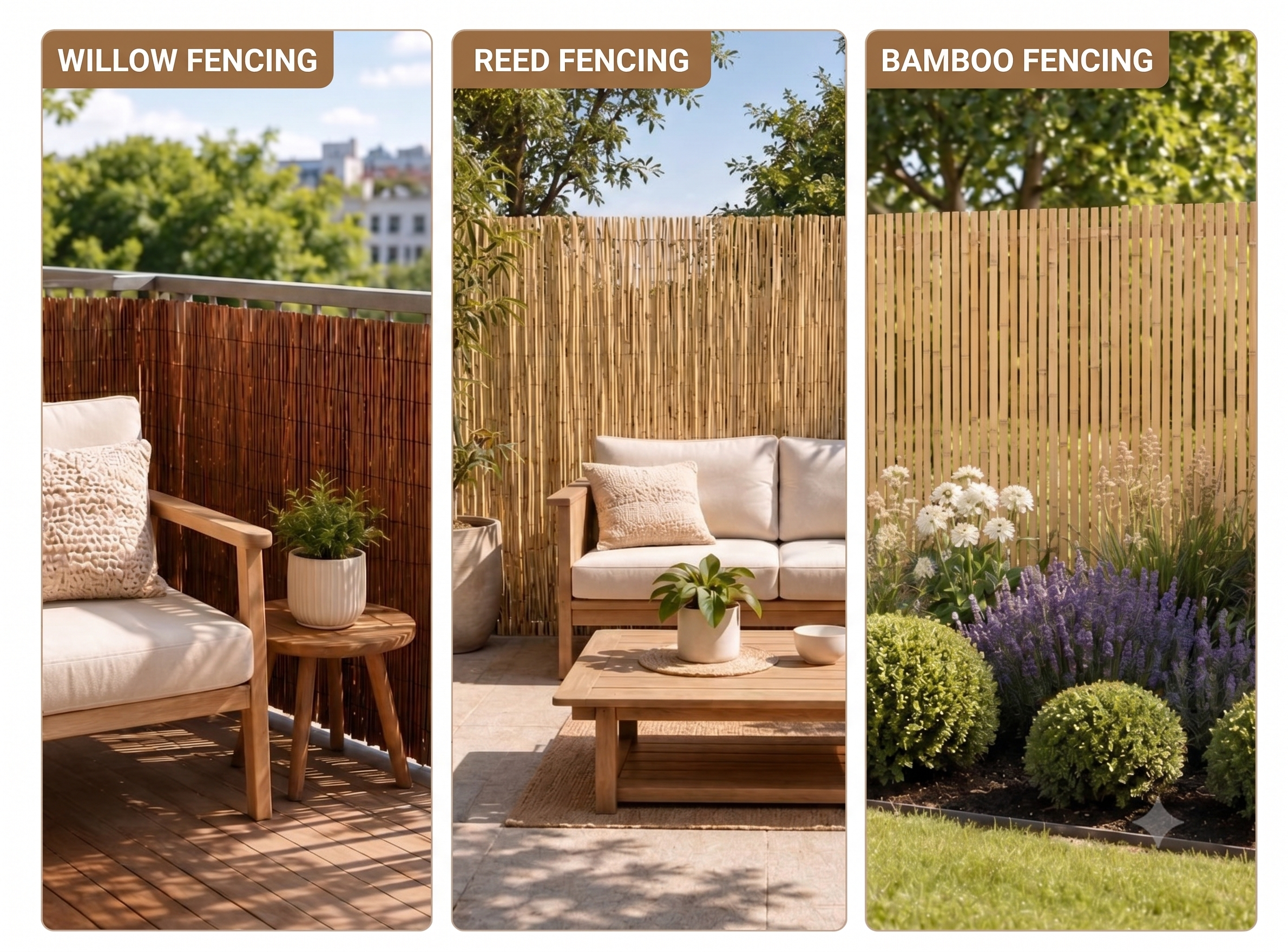
Match the style. Willow suits cottage, boho and English garden spaces. Reed fits tropical, coastal and clean-lined themes. Bamboo spans the widest range — natural yellow for classic tropical looks, carbonized brown for warmer, earth-toned settings, split panels for contemporary landscapes, whole-pole rolls for that iconic bamboo silhouette.
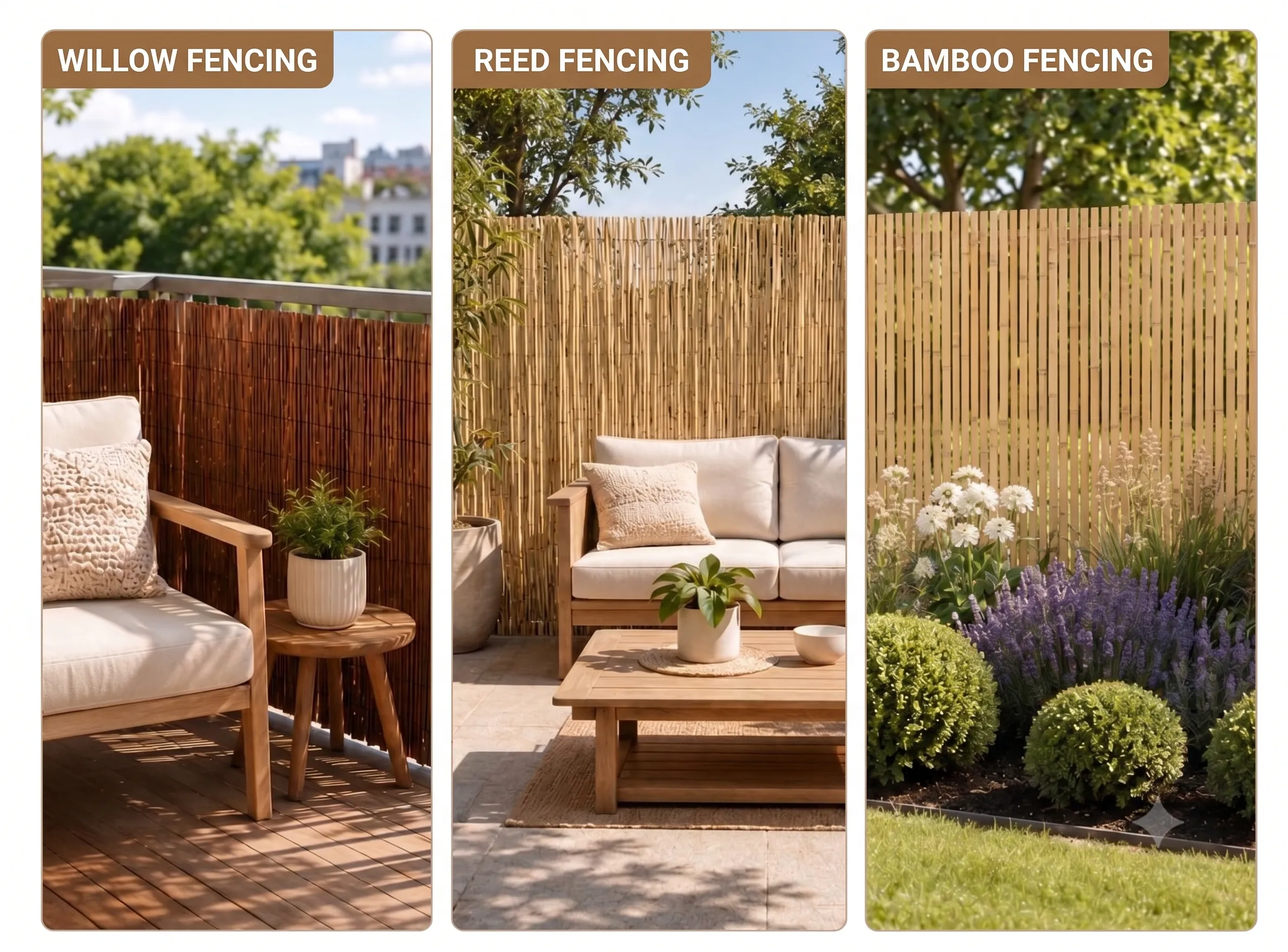
[Image 4: Willow, reed and bamboo fencing panels displayed side by side in a garden setting]
The Short Answer
Pick reed or split bamboo for maximum coverage in the economy range — reed for temporary and seasonal projects, split bamboo when you want bamboo's lifespan at an accessible price. Pick willow when you want warm, handcrafted character in the mid-range. Pick punched bamboo when the fence needs to last a decade or two and you are ready to invest in the premium tier.
Talk to a Specialist
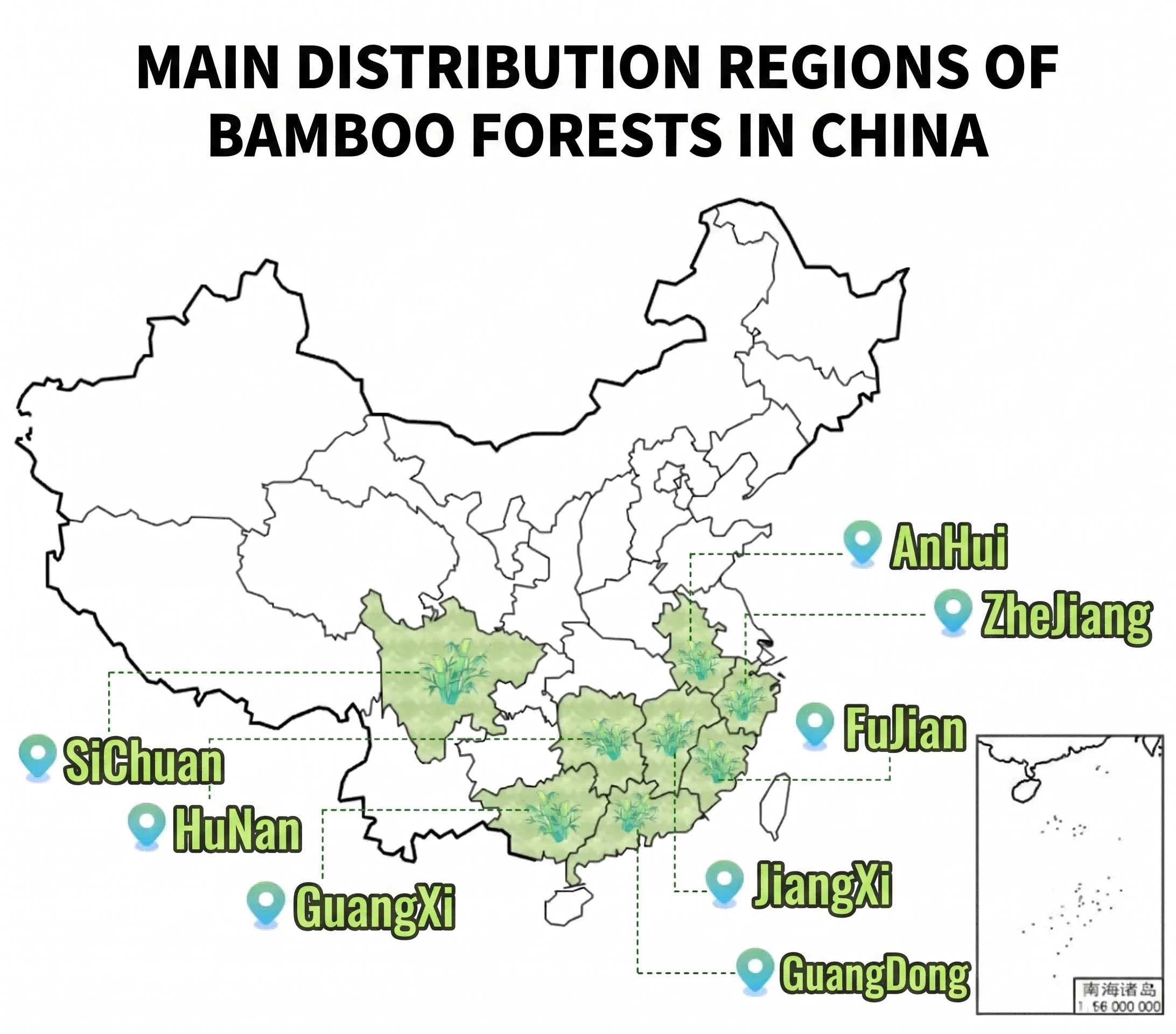
GBL Bamboo operates from Huaiji, Guangdong — the recognized origin of authentic Tonkin bamboo — with four production facilities shipping 400+ containers annually to Europe and North America. Our range covers split bamboo woven panels, punched bamboo rolls, slender bamboo screens, plus willow and reed fencing for customers who need those alongside their bamboo orders. Every bamboo product undergoes thermal treatment with moisture stabilized below 15% for reliable long-term performance right out of the package.
Browse our catalog at Bamboo Stakes & Garden Fencing Supplier | GBL Bamboo or send a email [sales@gdbamboo.com.cn] for samples, volume pricing and a tailored recommendation for your project.