.png)
In this article
Tonkin Bamboo Stakes Supplier Guide: Comparing Regional Bamboo Varieties
As a Tonkin bamboo stakes supplier with years of hands-on sourcing work, we hear one question more than any other: which bamboo type fits my project best? Bamboo sits near the top of the sustainable materials list worldwide. Still, not all bamboo grows the same. China leads global production by a wide margin, and its huge spread of climate zones shapes bamboo varieties with very different traits. This piece puts two major types side by side — common Moso bamboo from central China and specialized Tonkin cane from the south. Our aim is plain: hand you the facts so you can pick the right material for your budget and your project goals.
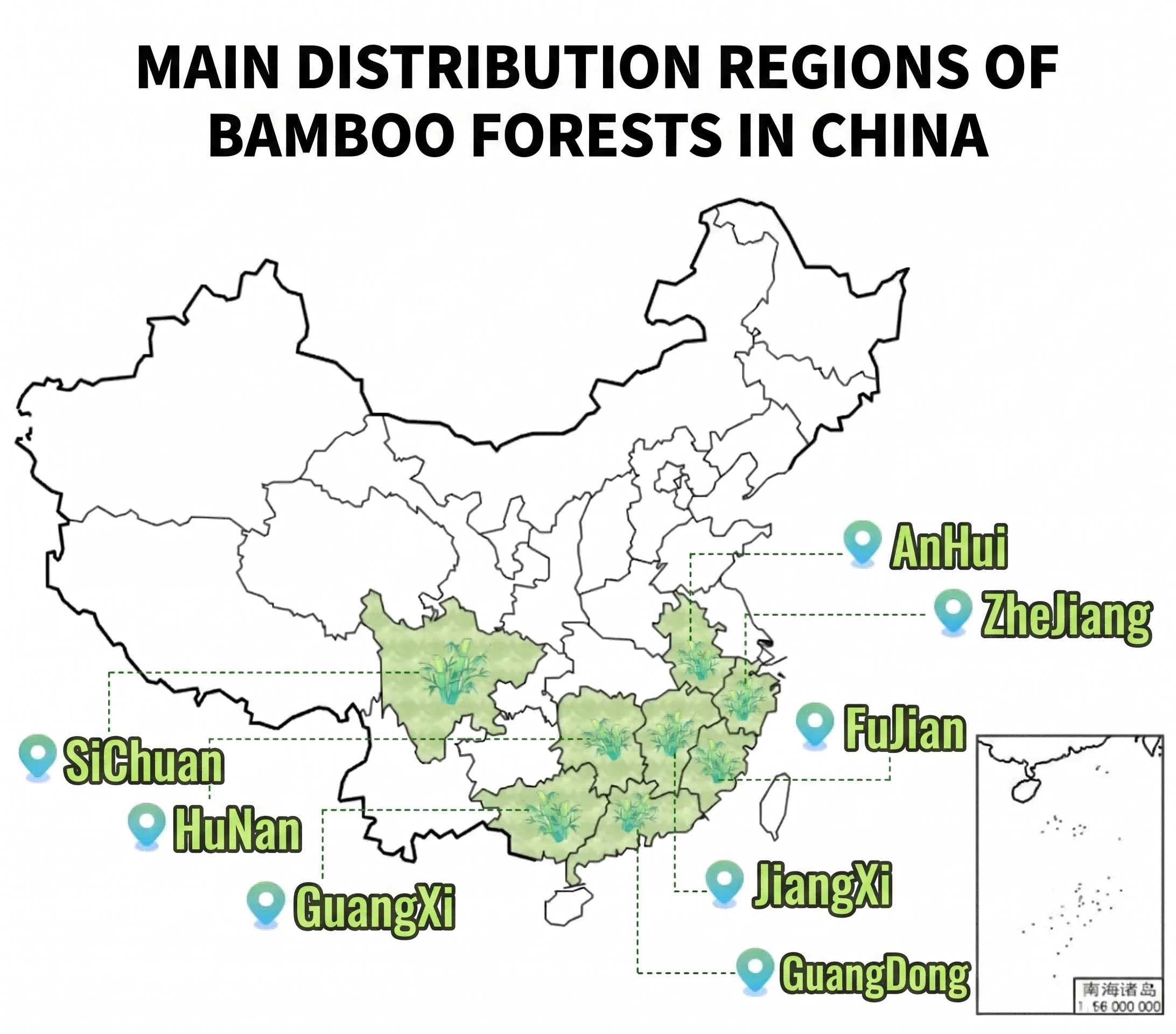
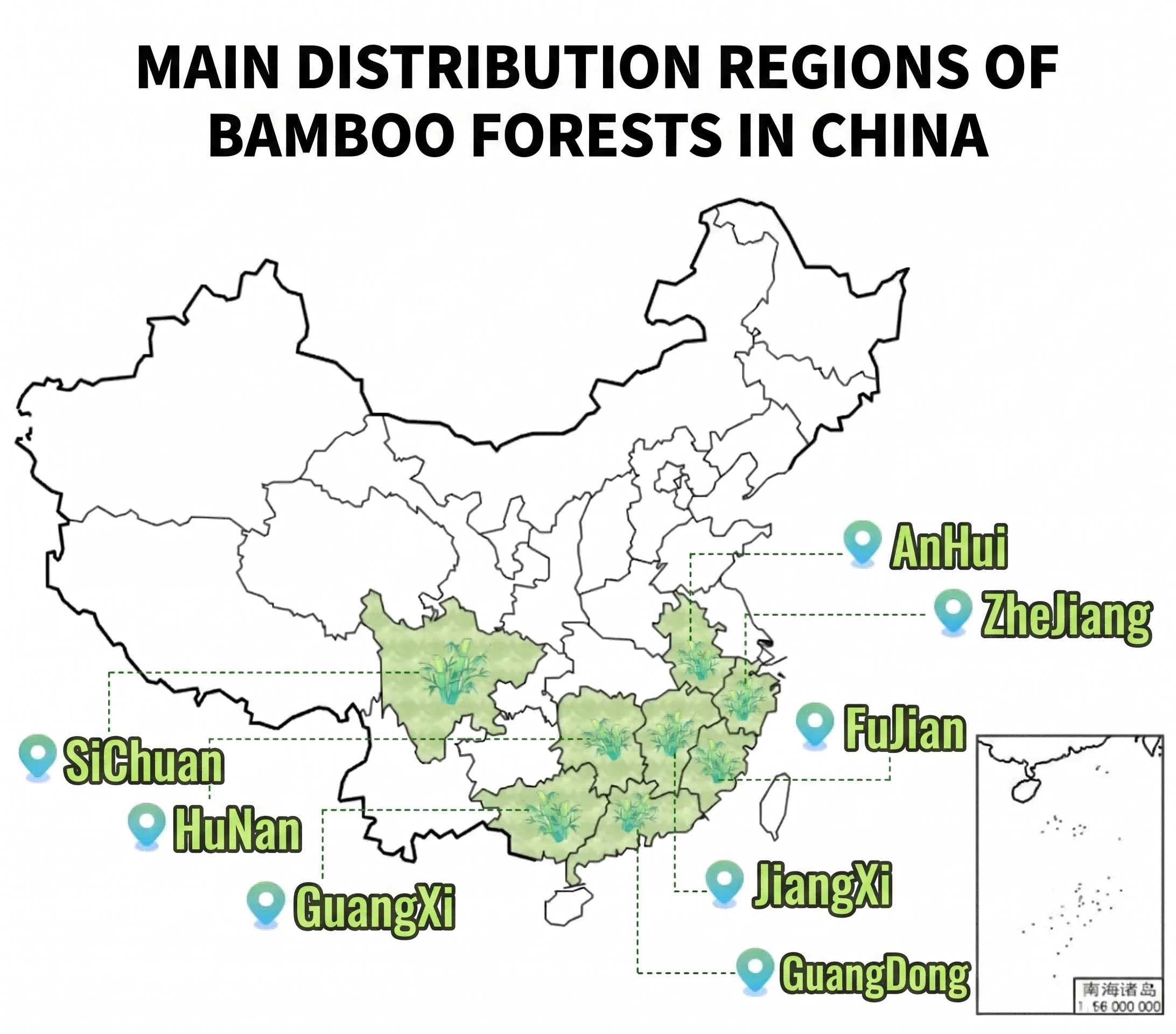
[Image: Bamboo plantation fields across China showing where a Tonkin bamboo stakes supplier sources different varieties]
The Versatile Choice: Central(North) Chinese Bamboo Stakes for Budget Projects
Central and eastern China — provinces like Anhui and Zhejiang — grow the bulk of the country's commercial bamboo. Four clear seasons shape the growing cycle here: warm summers, cool winters, and steady rainfall. This rhythm pushes bamboo to shoot up fast. A Moso bamboo culm can hit full height inside a single growing season. That speed means huge harvests year after year.
Key Traits of Central Chinese Bamboo
Volume is the main draw. Buyers can secure large shipments without waiting months. The material itself runs lighter than the denser southern types. For loads of projects, this lighter construction handles the job with no trouble.
Price sits firmly in the buyer's favor. Central(North) bamboo lands at a lower unit cost. You get a sturdy, functional product that does not eat into your project margin. The poles hold up well for structural roles that do not call for extreme weather resistance.
Best Uses for Central(North) bamboo Stakes
Agricultural support at scale. Temporary fencing for construction sites. Bulk orders where budget drives every decision. This bamboo checks all those boxes. It ships fast, costs less, and does what most buyers actually need it to do.
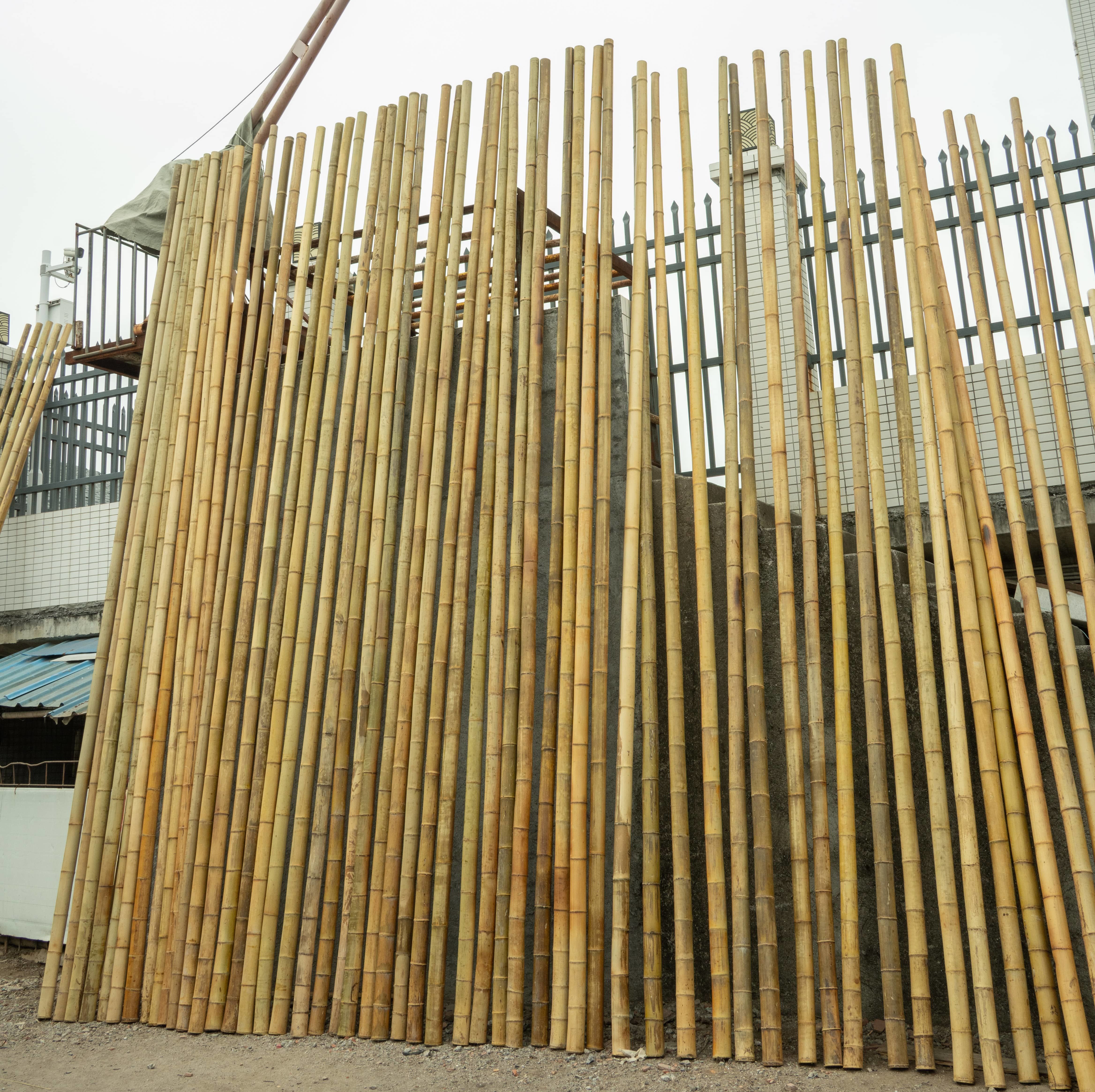
[Image: Moso bamboo stakes bundles from a Tonkin bamboo stakes supplier ready for agricultural and construction use]
The Premium Standard: Why Tonkin Bamboo Stakes Stand Apart
Now, a different story. Tonkin cane grows in a narrow slice of southern China, centered on Guangdong. The magic hides in the local microclimate and the sandy loam soil. These exact conditions push the plant toward qualities that are exceptionally unique to this region.
Why Tonkin Cane Carries a Higher Price
Nature sets the supply ceiling here. Any Tonkin bamboo stakes supplier who handles this grade knows the frustration — you cannot scatter Tonkin cane across a random hillside and expect the same results. The growing belt is tight. The harvest cycle stretches longer. Farmers stick to old methods — hand-selecting each culm, then months of natural sun-curing. No forced drying, no chemical shortcuts. This slow path locks in the cane's warm natural tone and stops internal cracking before it starts.
The physical traits tell you the difference in seconds. Tonkin cane grows arrow-straight. The walls run thick and dense from base to tip. The nodes feel smooth under your fingers, not knobby and rough like common bamboo. Hold a finished Tonkin stake next to a standard pole and your hands will spot the difference faster than your eyes.
Density: Why Tonkin Bamboo Stakes Outlast the Rest
Tonkin cane crams more fiber into every millimeter of wall thickness. That density works like a natural shield. Bugs cannot bore through it easily. Moisture rolls off instead of soaking in. Rot stays away without any chemical bath. A Tonkin stake lasts seasons longer than a standard bamboo stake in the same ground, under the same weather.
Where Tonkin Cane Delivers
Premium garden centers stock Tonkin cane because it looks clean and consistent on the shelf. Landscape architects write it into long-haul outdoor specs where swapping out broken stakes would bleed the maintenance budget. Any supplier of Tonkin bamboo stakes working with commercial landscapers has seen these specs — the material choice is non-negotiable. Retailers who sell to serious gardeners want stakes that perform as well as they look. For all these buyers, the product convinces on sight — and keeps convincing year after year.
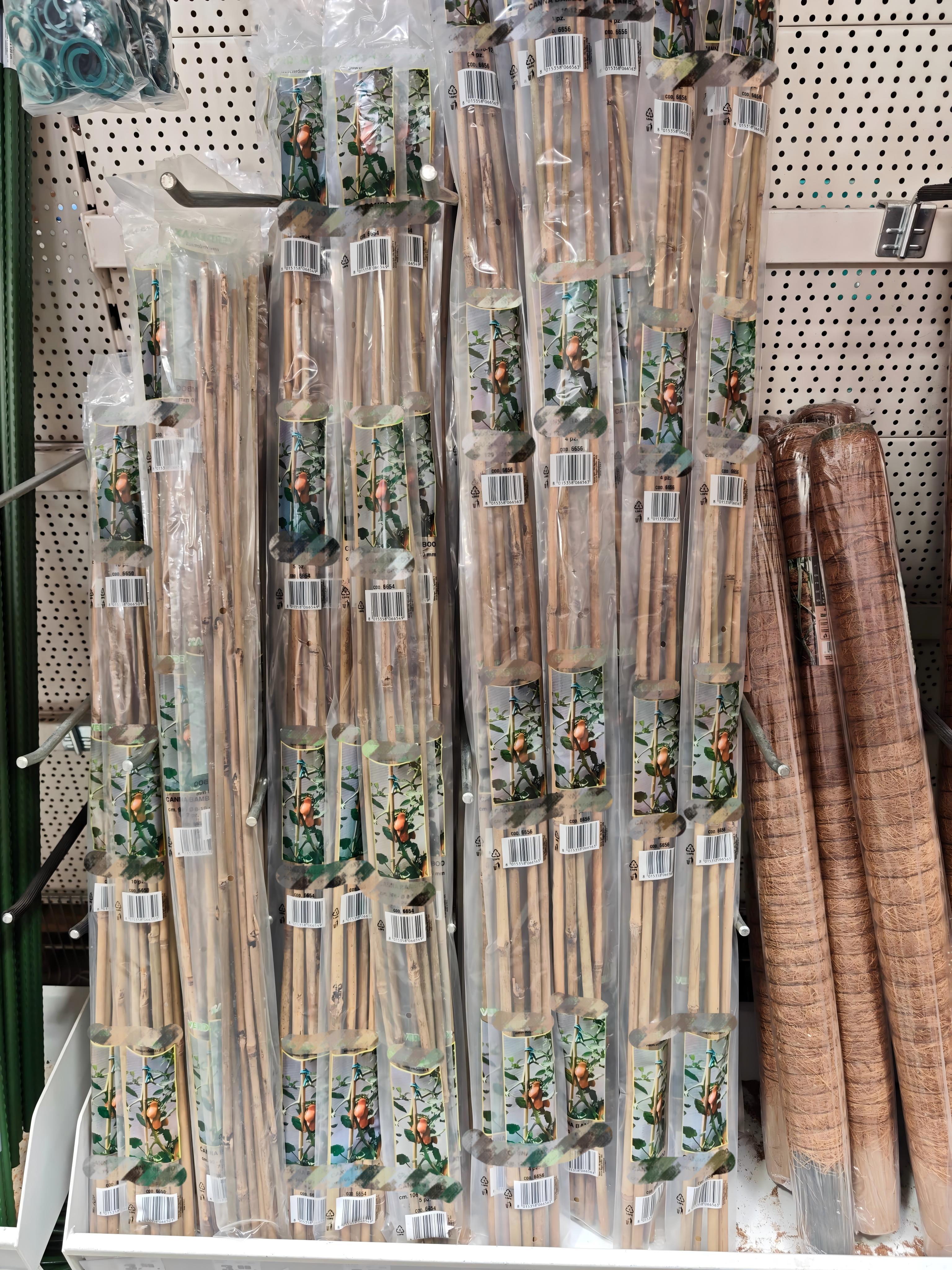
[Image: Premium Tonkin bamboo stakes on display in a garden center retail environment]
Balancing Cost and Value in Bamboo Stake Sourcing
Let's talk money plainly. Tonkin cane costs more per stake at the door. The narrow growing zone, the hand-picking, the slow sun-drying — every step adds to the final number. You will spend more upfront compared to a standard Moso order. No way around that.
What the Premium Buys for Bamboo Stake Buyers
The real question is not about price per stake. It is about what those extra dollars deliver over time. A single Tonkin stake outlasts a Moso stake by a big margin in the field. A reliable Tonkin bamboo stakes supplier will confirm this — put both in damp soil and the gap widens fast. Fewer swaps mean less money spent on replacements down the road. And do not forget labor — sending a crew out to pull broken stakes and hammer in new ones costs real money, often more than the stakes themselves.
For a one-season tomato trellis, springing for Tonkin makes no sense. The cheap stuff works fine and you rip it out come fall. But a five-year public garden installation? A high-end product line where every stake sits visible to the paying customer? The math flips hard. Buy once, install once, move on to the next job. That quiet confidence is what the premium really buys.
Looking at Total Cost of Ownership
Stop staring at the invoice line. Add up replacement cycles, labor hours, and what your customer thinks when they see a snapped stake in a fresh garden bed. Run those numbers across the full project window and Tonkin cane wins more often than not. Plenty of our long-term clients kicked off with standard bamboo and switched to Tonkin after watching the replacement churn eat into their margins. They switched once and stayed switched.
For a broader look at bamboo as a global resource, check the [Wikipedia entry on bamboo].
Making the Right Call for Your Project
No single bamboo type wins every time. The real winner is the one that matches what you are building right now. Moving big volumes on a lean budget? Central Chinese Moso bamboo gets it done without drama. Need stakes that stay straight, look sharp, and hold up season after season? Tonkin cane answers that call.
We supply both ends of the spectrum — from bulk agricultural shipments to boutique garden retail orders. Tell us about your project scope, your volume needs, and the quality bar you are aiming for. We will help you land on the right material at a price that makes sense.
Reach out to our sourcing team now for a tailored recommendation and a free quote with no strings attached.